Self-Advocacy for People With Disabilities in Montana
Empowering Montanans to speak up, lead, and shape their communities
Self-advocacy means speaking up about your needs, goals, and rights. The Montana Council on Developmental Disabilities supports individuals across the state in building the confidence, skills, and opportunities needed to advocate for themselves and influence decisions that affect their lives.
What Self-Advocacy Means for People With Developmental Disabilities
Confidence, independence, and a voice in decisions
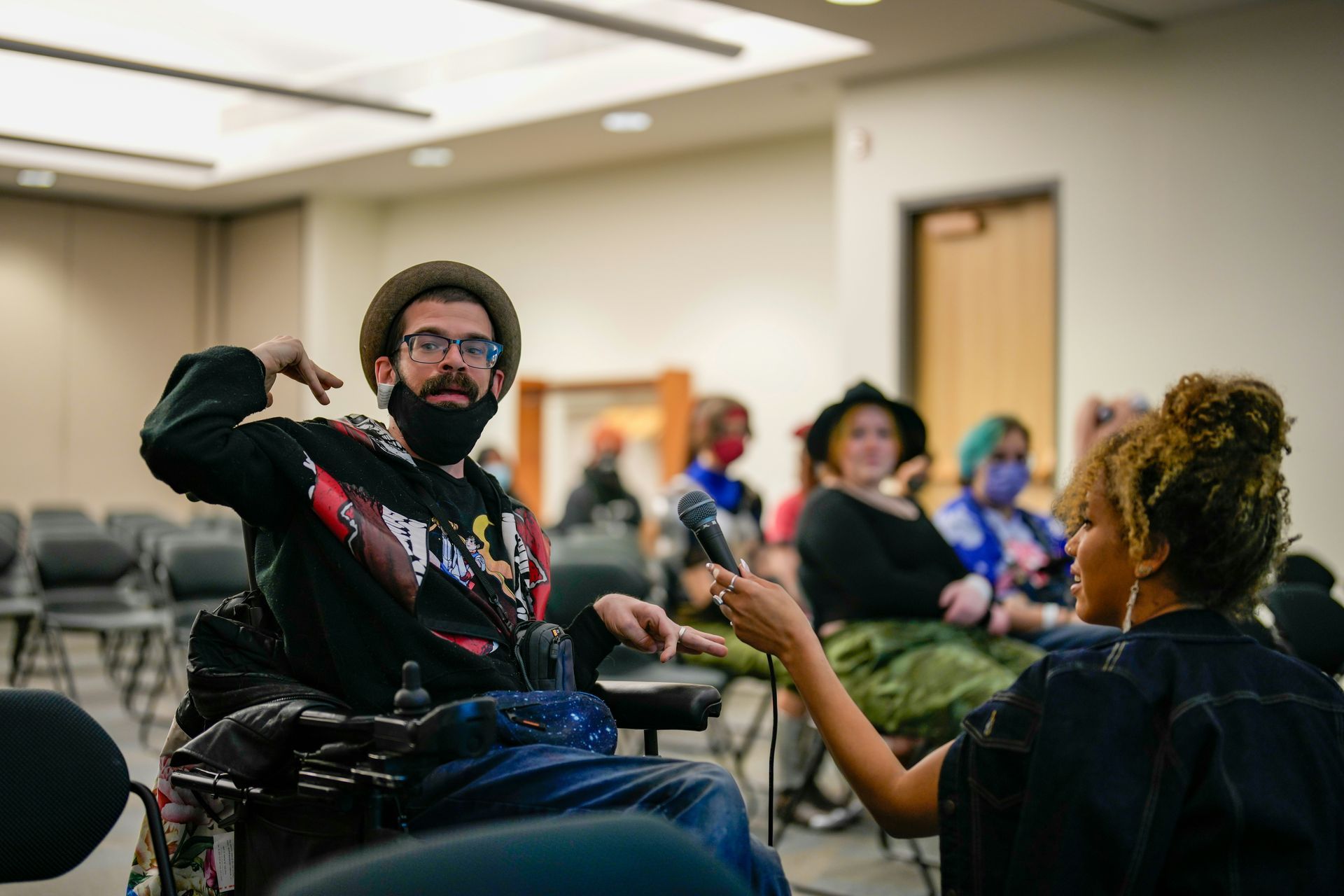
Self-advocacy is about individuals with developmental disabilities having the knowledge and confidence to speak up for themselves. It means making choices about education, employment, healthcare, housing, and other parts of daily life. When people understand their rights and learn how to communicate their needs, they gain greater independence and control over their future. The Montana Council on Developmental Disabilities helps create opportunities for self-advocates to participate in conversations that shape policies and programs statewide.
Ways the Council Supports Self-Advocates
Programs and opportunities that build leadership
The Montana Council on Developmental Disabilities works with community partners to strengthen self-advocacy across the state. These initiatives help individuals build leadership skills and connect with others who share a passion for disability rights.
Leadership Training Programs
Participants learn how to share their experiences, speak with policymakers, and advocate for their needs in schools, workplaces, and communities.
Youth Advocacy Opportunities
Young Montanans with developmental disabilities gain confidence through programs that introduce them to leadership, civic engagement, and public speaking.
Community Listening Sessions
The Council hosts listening opportunities where self-advocates can share their experiences and help identify improvements needed in Montana’s disability services.
Policy and Advocacy Participation
Self-advocates are encouraged to participate in public meetings, advisory groups, and advocacy events that influence disability policy throughout the state.
A Platform Where Self-Advocate Voices Shape Change
Real experiences guiding better decisions
Self-advocates play an important role in shaping the Council’s priorities and initiatives. Council membership includes individuals with developmental disabilities who bring personal experience and insight to discussions about programs, services, and policies. Their voices help ensure that statewide initiatives reflect the real needs of Montanans. When people with lived experience participate in leadership, solutions become stronger and communities become more inclusive.
How Self-Advocacy Opportunities Support Montanans
Different ways individuals can get involved
People across Montana participate in self-advocacy at different levels depending on their interests and experience. The Council helps create pathways for individuals to learn, connect, and lead in ways that feel meaningful to them.
| Opportunity | What It Involves | Who It’s For |
|---|---|---|
| Leadership Workshops | Training sessions that help individuals develop communication and advocacy skills. | Individuals with developmental disabilities who want to build confidence and leadership abilities. |
| Advocacy Events | Opportunities to share personal stories and perspectives with community leaders and policymakers. | Self-advocates interested in influencing disability policy in Montana. |
| Community Forums | Conversations where individuals and families can discuss challenges and ideas for improving services. | Self-advocates, families, and community partners who want to share feedback. |
| Council Participation | Opportunities to engage with the Montana Council on Developmental Disabilities through meetings or initiatives. | Individuals interested in contributing to statewide disability advocacy efforts. |
Not sure which path is right for you? The Council can help you explore options and connect with opportunities that match your goals.
Common Questions About Disability Self-Advocacy
Clear answers to help you get started
What is self-advocacy for people with developmental disabilities?
Self-advocacy means understanding your rights, speaking up about your needs, and making choices about your life. It helps individuals build independence and confidence when navigating education, employment, healthcare, and community life. When people advocate for themselves, they can participate more fully in decisions that affect them. Self-advocacy also helps communities better understand the perspectives of people with developmental disabilities.
How can someone with a developmental disability become a self-advocate?
Many people begin by learning about their rights and practicing how to share their thoughts and experiences. Leadership workshops, peer groups, and community events can help build confidence and communication skills. Support from families, mentors, and advocacy organizations can also help individuals grow into strong advocates. Over time, many self-advocates choose to participate in community forums, advisory groups, or public meetings.
Are there self-advocacy programs in Montana?
Yes, several programs across Montana focus on leadership development and disability advocacy. The Montana Council on Developmental Disabilities works with community partners to support training opportunities, listening sessions, and advocacy events. These initiatives help individuals build confidence and connect with other advocates. Many programs also encourage participation in conversations that influence policies and services statewide. To learn about programs near you, or to explore starting a group or program in your area, contact our team.
Why is self-determination important for people with disabilities?
Self-determination means having the freedom and ability to make choices about your own life. For people with developmental disabilities, this can include decisions about where to live, work, learn, and participate in the community. When individuals are supported in making their own choices, they often experience greater independence and confidence. Self-determination is a key principle in building inclusive communities.
How does the Montana Council support self-advocates?
The Council supports self-advocates by creating opportunities for leadership, training, and participation in statewide initiatives. It also ensures that individuals with developmental disabilities are represented in decision-making processes. Through partnerships and community engagement, the Council works to strengthen opportunities for people to share their experiences and ideas. This approach helps ensure that policies and programs reflect the needs of Montanans.