Disability Advocacy and Voting: How Montanans With Developmental Disabilities Can Make Their Voices Heard
Greg Zadina
Sep 14 2026 13:00
People with developmental disabilities, family members, and community partners have important knowledge about what is working and what needs to improve. By voting, speaking up, sharing lived...
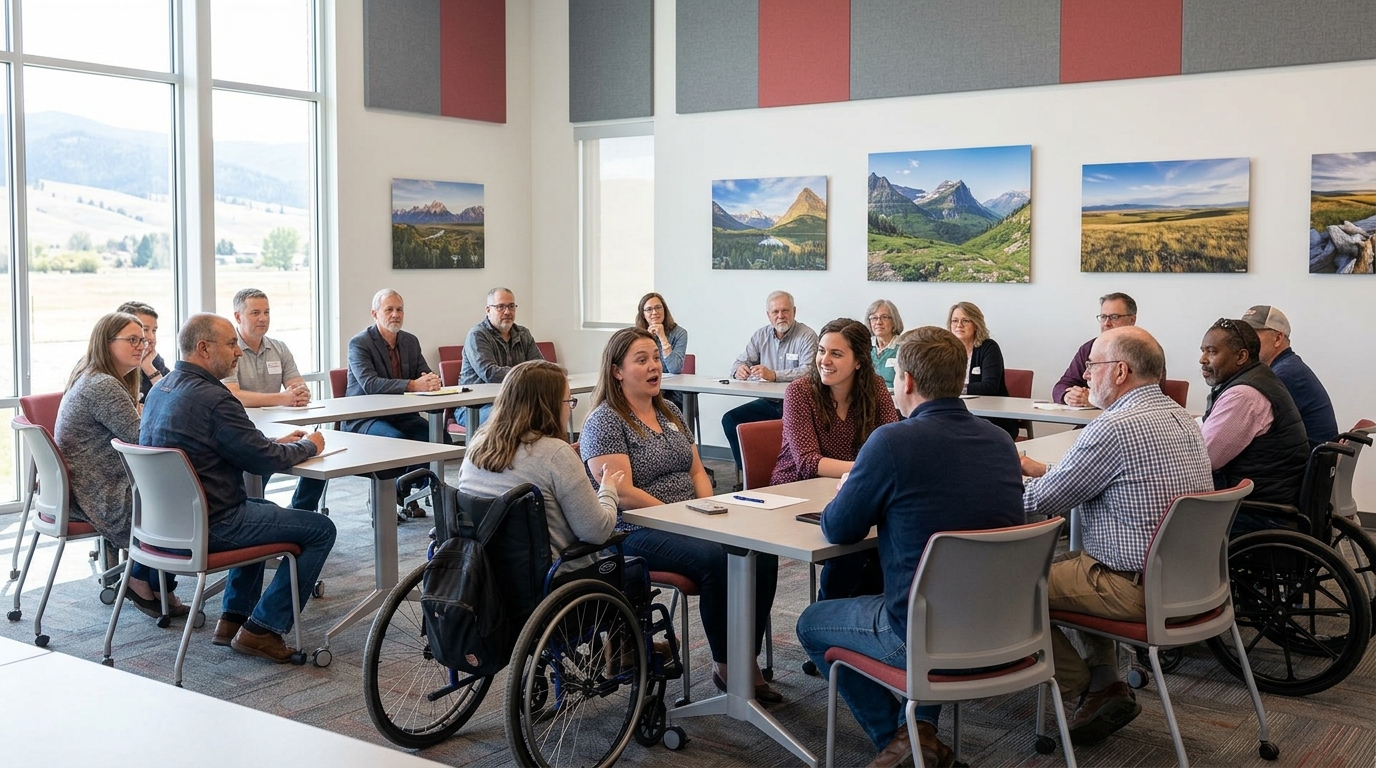
People with developmental disabilities, family members, and community partners have important knowledge about what is working and what needs to improve. By voting, speaking up, sharing lived experience, and participating in public conversations, Montanans can help shape policies and systems that affect everyday life.
The Montana Council on Developmental Disabilities (MTCDD) supports this work through statewide systems change, public education, and policy advocacy. MTCDD does not provide direct legal services or voting services. Instead, the Council brings people, information, and perspectives together to improve the systems that influence education, employment, health care, housing, transportation, and community inclusion across Montana.
Civic Participation Is Part of Disability Advocacy
Civic participation means taking part in the decisions that affect a community. It can include voting, learning about public issues, contacting elected officials, attending public meetings, responding to surveys, or joining an advisory group. These actions help decision-makers understand how policies affect people’s daily lives.
For individuals seeking to understand how to advocate for disability rights in Montana, civic participation can be a practical place to begin. A personal experience with finding accessible transportation, receiving support at school, looking for employment, or navigating health care may reveal a broader systems issue. When many people share similar experiences, those patterns can help identify where change is needed.
Participation does not need to look the same for everyone. Some people may speak at a meeting. Others may write an email, complete a survey, share a story with a trusted partner, or support another person’s advocacy. Every meaningful contribution can help strengthen Montana disability advocacy.
Self-Advocacy Builds Voice and Choice
Self-advocacy means speaking up about your needs, rights, goals, and choices. It is also about having the information and support needed to make decisions about your own life. Self-advocacy is an important part of self-determination for people with disabilities in Montana.
People can practice self-advocacy in many settings. They may ask for an accommodation, explain what support works best, participate in a planning meeting, set personal goals, or share feedback about a service or program. These actions can support individual choice while also helping organizations learn how their systems affect people.
MTCDD recognizes that self-advocates are leaders. Their perspectives are essential to developmental disabilities advocacy in Montana because they bring direct knowledge of the barriers and opportunities within their communities. Visit MTCDD’s self-advocacy information
to explore ways self-advocates can build skills, connect with others, and use their voices.
Accessible Voting Information Supports Informed Participation
Voting is one way people can participate in public life and make their priorities known. Accessible, understandable information can help voters learn about candidates, issues, and the choices available to them. It can also help families and supporters have informed conversations about matters that affect their communities.
MTCDD does not provide voting services, legal advice, election deadlines, eligibility decisions, or voting procedures. People should verify current election information directly with official election authorities, including the Montana Secretary of State and their local election office. Official sources can provide the most current details about registration, ballots, voting options, accessibility, and important dates.
Accessible election information matters because public policy can influence the systems people rely on every day. Decisions about disability services in Montana, inclusive education, community living, employment supports, and transportation can all be affected by public priorities and policymaking. When voters have access to clear information, they are better positioned to participate in ways that reflect their values.
Sharing Lived Experience Can Drive Systems Change
Lived experience is knowledge gained through daily life. A self-advocate may understand what makes a workplace accessible. A family member may know the challenges of locating support in a rural community. A provider or partner may see where systems do not connect well. Each perspective can add important context to discussions about Montana disability policy.
Stories are especially powerful when they explain both the challenge and the change that would help. For example, a person might describe how limited transportation affected their ability to get to work, attend an appointment, or participate in community activities. They can also explain what would make a difference, such as more reliable local options, clearer information, or better coordination among programs.
When sharing a story, consider these practical steps:
- Decide what experience you want to share and what message matters most.
- Use the communication method that works best for you, such as speaking, writing, using a support person, or sharing a recorded message.
- Focus on facts, personal impact, and the improvement you want decision-makers to consider.
- Share only what feels comfortable. You have the right to set boundaries around personal information.
- Ask for support when needed, including help preparing your message or participating in a meeting.
Personal stories do not have to be perfect to be valuable. Honest, respectful perspectives can help policymakers and community leaders see the real-world impact of their decisions.
How MTCDD Advances Disability Policy Advocacy in Montana
As Montana’s federally authorized developmental disabilities council, MTCDD works to improve statewide systems rather than deliver direct services. The Council collaborates with self-advocates, families, policymakers, service providers, and disability organizations to identify gaps, elevate community priorities, and encourage long-term improvements.
This systems-change approach recognizes that individual challenges are often connected to larger issues. For example, difficulty finding support may relate to how programs are funded, how information is shared, how agencies coordinate, or whether communities have accessible options. MTCDD helps bring these issues forward so that partners can work toward stronger, more person- and family-centered systems.
Policy advocacy information can help people understand how public input contributes to broader change. Learn more through MTCDD’s advocacy and policy resources. The Council’s role is to inform, connect, convene, and advance systems improvements—not to provide individual legal representation or direct voting assistance.
Practical Ways to Participate
Getting involved in disability advocacy does not require prior experience. Start with an issue that matters to you or your community. It may be access to education, employment, housing, health care, transportation, or inclusive community opportunities.
Consider taking one or more of these steps:
- Learn about an issue by reviewing reliable information and listening to people with lived experience.
- Share feedback when a public agency, school, program, or community organization asks for input.
- Attend a public meeting, listening session, workshop, or community event.
- Contact an elected official or public leader to explain how an issue affects you or your community.
- Connect with other self-advocates, families, and partners who are working toward similar goals.
- Use Montana disability resources to find information, community connections, and opportunities to participate.
MTCDD offers ways for people throughout the state to contribute to a stronger Montana disability network. Explore ways to participate with MTCDD
and find an opportunity that fits your interests, experience, and preferred level of involvement.
Working Together Across Montana
Systems change takes time, collaboration, and continued attention. Progress is stronger when self-advocates, families, public agencies, providers, educators, employers, and community members all have opportunities to contribute. A person’s location, communication style, disability, age, or support needs should never prevent them from being heard.
MTCDD is committed to supporting a Montana where people with developmental disabilities have greater self-determination, independence, productivity, and full participation in community life. Through shared learning and thoughtful advocacy, communities can help improve the systems that shape opportunity across the state.
FAQ
What does MTCDD do?
The Montana Council on Developmental Disabilities works to improve statewide systems that support people with developmental disabilities and their families. Its work includes systems change, policy development, public education, advocacy, collaboration, and resource connection. MTCDD does not provide direct legal or voting services.
How can I begin self-advocacy in Montana?
Begin by identifying an issue, goal, or support that matters to you. You might ask questions, share your preferences in a meeting, request information in an accessible format, or connect with other advocates. MTCDD’s self-advocacy resources can help you explore additional opportunities.
Why does sharing lived experience matter for policy?
Lived experience helps decision-makers understand how policies and systems affect real people. Stories can show where barriers exist, what supports are helpful, and what changes could improve access and inclusion for others.
Where can I find current voting information?
For current, official information about elections, voting options, deadlines, accessibility, and eligibility, contact the Montana Secretary of State or your local election authority. MTCDD encourages informed civic participation but does not provide voting procedures or legal advice.
How can I get involved in disability advocacy in Montana?
You can learn about issues, attend events, share feedback, communicate with public officials, join local conversations, and connect with advocacy opportunities. Small actions can contribute to meaningful progress when people work together.
Self-advocates, families, and partners across Montana are invited to learn, participate, and share their perspectives. Your voice can help shape a more inclusive future. Contact MTCDD to learn more about opportunities to engage with the Montana Council on Developmental Disabilities.
Our Services
About the Author
Greg Zadina
Greg Zadina is the Chief Executive Officer of the Montana Council on Developmental Disabilities, where he works to strengthen systems, partnerships, and opportunities that support Montanans with developmental disabilities and their families. With nearly two decades of experience in nonprofit development, strategic planning, and community growth, he brings a mission-focused approach to leadership centered on collaboration, long-term impact, and community inclusion.
Throughout his career, Greg has helped nonprofits and community organizations improve operations, expand their reach, and build sustainable solutions that reflect the needs of the people they serve. Through his work with the Council, he is committed to advancing advocacy, supporting stronger service systems, and helping create more inclusive communities across Montana.